


Why Many Schools Don’t Check for Head Lice Anymore (And What Parents Need to Know)
If you remember the days when school nurses lined kids up for routine lice checks, you are not imagining things. Policies really have changed, and many schools no longer perform classroom or school-wide screenings. Most parents do not find out about lice until a child starts scratching at home, which is usually when panic kicks in.
Here is what changed and why.
Head lice are no longer viewed as a medical emergency in most school systems. Lice do not spread disease, and while they are stressful, inconvenient, and embarrassing, they are not considered a health threat.
Two major organizations influenced this shift in policy.
The National Association of School Nurses (NASN) does not recommend routine lice screenings in schools and does not support excluding students for nits alone. Their position statement explains the reasoning and guidelines here:
https://www.nasn.org/nasn-resources/professional-practice-documents/position-statements/ps-head-lice
The National Pediculosis Association (NPA) takes a more conservative approach. They support early detection and stronger nit policies and continue to advocate for no-nit return-to-school rules in many cases. Their guidance is here:
https://www.headlice.org/comb/what-are-head-lice-and-nits/no-nit-policy/
Both perspectives matter, but the outcome for families is the same.
Schools rarely perform routine head checks. Many districts allow students to return after treatment even if nits remain. Reducing absenteeism is often prioritized over exclusion.
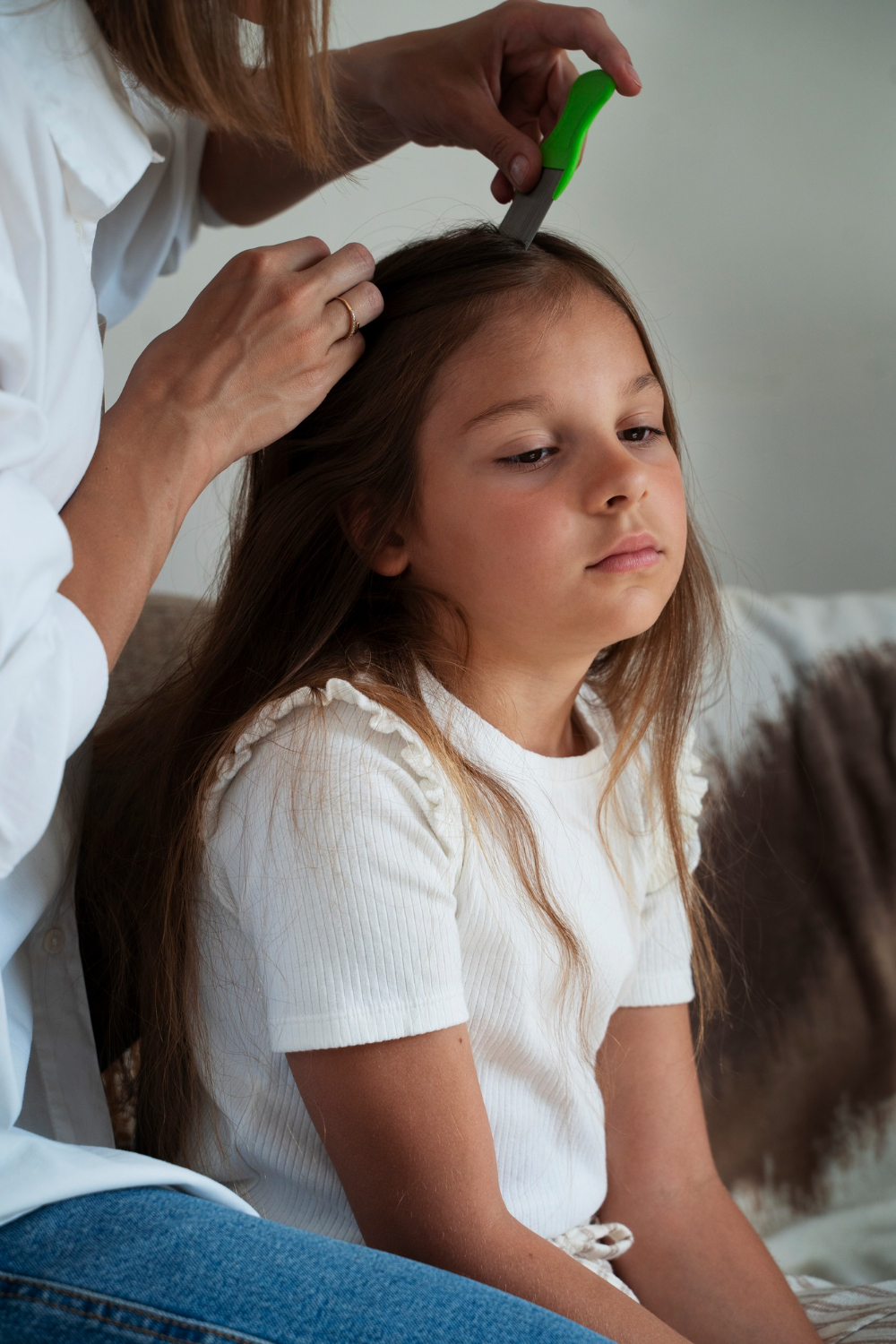
In short, schools are no longer the early detection system. Head lice management has shifted to parents and caregivers.
That is where PALS Lice Treatment & Removal helps fill the gap. We provide professional screenings, accurate identification, safe and effective treatment options, and practical guidance so families know exactly what to do without guesswork or panic.
If your child’s school no longer checks for lice, we are your support system. Early detection and proper removal means less stress, fewer reinfestations, and a faster return to normal life.
Understanding the lifespan of lice is crucial when devising strategies for prevention and treatment. Let’s delve further into the fascinating world of lice to uncover more about their longevity.
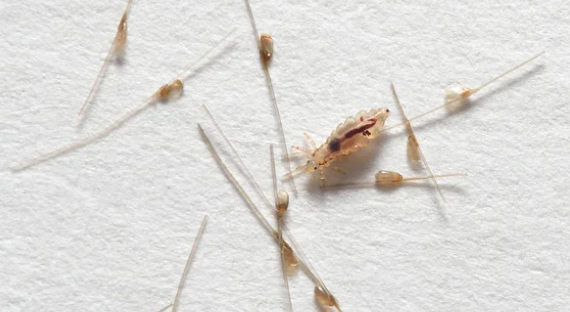
On the Host and Off the Host: When it comes to their lifespan, lice exhibit distinct behaviors depending on whether they are on a human host or off it. While lice can survive on a human host for approximately 30 days, their survival off the host is significantly shorter, typically ranging from 24 to 48 hours. This short window of survival off the host underscores the importance of targeting both lice and their eggs during treatment to prevent reinfestation.
Reproductive Cycle: The reproductive cycle of lice adds another layer of complexity to their lifespan. A female louse is capable of laying an impressive 3 to 5 eggs per day, contributing to the rapid spread of infestations. These eggs, also known as nits, hatch within 7 to 10 days, giving rise to nymphs. It takes an additional 7 to 10 days for these nymphs to mature into adult lice capable of reproducing and continuing the cycle.
Implications for Treatment: Understanding the lifecycle and lifespan of lice is essential for effective treatment strategies. Since lice eggs can survive for several days before hatching, thorough removal of both lice and eggs is crucial to prevent reinfestation. Additionally, targeting both adult lice and nymphs is necessary to disrupt the reproductive cycle and halt the spread of infestations.
Conclusion: In conclusion, the lifespan of lice is influenced by various factors, including their presence on a human host, their reproductive cycle, and their ability to survive off the host. By gaining insight into these aspects of lice biology, individuals can implement targeted and effective treatment approaches to eliminate lice infestations and prevent their recurrence. Remember, knowledge is power when it comes to combating lice, so arm yourself with information and take proactive steps to protect yourself and your loved ones.
Can Dogs Get Lice? Debunking the Myth
If you’ve ever wondered whether your furry friend could catch lice from humans or vice versa, the answer is a resounding no. Let’s delve deeper into this common concern to put your mind at ease.
Human Lice vs. Animal Lice: Understanding the Difference Human head lice, while notorious for causing discomfort and frustration among humans, cannot be transmitted to or from our beloved pets. The reason is simple: human head lice rely solely on human blood to survive. Similarly, dogs and cats have their own species-specific lice – dog lice for dogs and cat lice for cats – which are adapted to their respective blood types.
Why You Rarely Hear About Animal Lice Despite the prevalence of lice in humans, cases of lice in animals are relatively rare, and there’s a good reason for that. Unlike human lice, which are not indicative of poor hygiene or economic status, animal lice are often associated with unsanitary environments. In the United States, cases of animal lice are not commonly diagnosed due to the overall cleanliness and care provided to pets by their owners.
Putting Your Mind at Ease Rest assured, your furry companions are safe from the threat of human head lice. While dogs and cats can indeed get lice, it’s important to remember that they have their own species-specific parasites that are unlikely to be transmitted to humans. By maintaining good hygiene practices and providing proper care for your pets, you can minimize the risk of lice infestations and ensure the well-being of both your family and your furry friends.
Unraveling the Origins of Lice: A Tale as Old as Time
Ever wondered where lice come from and how they’ve persisted throughout human history? Let’s embark on a journey through time to uncover the fascinating origins of these pesky parasites.
Ancient Origins and Historical Evidence: Head lice, being human parasites, have likely coexisted with humans since time immemorial. Evidence of their presence dates back to ancient civilizations, with desiccated head lice and their eggs (nits) discovered on the hair and scalps of Egyptian mummies. Legend even has it that Cleopatra possessed a golden comb adorned with lice, showcasing their enduring relationship with humanity throughout history.
Insights from Scientific Research: Modern scientific investigations have shed further light on the evolutionary history of lice. DNA analysis of mitochondria from lice cells collected worldwide has revealed a common lineage dating back approximately 2 million years ago. This remarkable discovery suggests that lice have evolved alongside humans and can provide valuable insights into human evolution and migration patterns.
Adaptation and Resistance: As with any species, lice continue to adapt and evolve over time. In recent years, many traditional over-the-counter lice treatment products containing Permethrin have become less effective due to the development of resistance among lice populations. This phenomenon highlights the remarkable resilience and adaptability of these tiny parasites in response to environmental pressures.
Looking to the Future: Despite their resilience, ongoing research and advancements in lice treatment methods offer hope for effective control and management of lice infestations. By understanding the origins and evolution of lice, scientists can develop innovative strategies to combat them and minimize their impact on human populations.
Are Lice in My House? Debunking Common Myths
Curiosity about lice extending beyond the scalp often leads to questions like, “Are lice in my house?” Let’s debunk this myth and explore the reality of lice infestations in household environments.
Understanding Lice Behavior: Contrary to popular belief, lice don’t typically venture far from their preferred habitat – the human scalp. While adult lice can survive off the head for up to 24-48 hours, they rarely leave their host voluntarily. Lice may only disperse from the scalp if they’re dying or injured. Moreover, the life cycle of a louse spans just 30 days, minimizing the likelihood of lice establishing a permanent presence in your home.
Non-Human Surfaces and Lice: Fortunately, lice don’t inhabit non-human surfaces such as carpets, hardwood floors, clothing, furniture, sports helmets, headphones, or hair accessories. These environments are unsuitable for lice survival and reproduction. Therefore, the risk of acquiring lice from inanimate objects in your home is exceedingly low.
Taking Precautions: While lice infestations don’t typically extend to household surfaces, it’s prudent to take precautions if you’ve been confirmed with head lice. To help eradicate lice from your home, consider the following measures:
- Launder bedding, clothing, and linens in hot water and dry them on high heat.
- Vacuum upholstered furniture and carpets, paying attention to areas frequented by affected individuals.
- Seal non-washable items such as stuffed animals in airtight bags for a few weeks.
- Disinfect combs, brushes, and hair accessories by soaking them in hot water or rubbing alcohol.
Conclusion: In conclusion, while lice infestations are confined to the human scalp, it’s essential to take proactive steps to address them promptly. By understanding lice behavior and implementing appropriate precautions, you can effectively manage infestations and minimize their impact on your household. Remember, knowledge is key to dispelling myths and maintaining a lice-free environment.









Leave A Comment